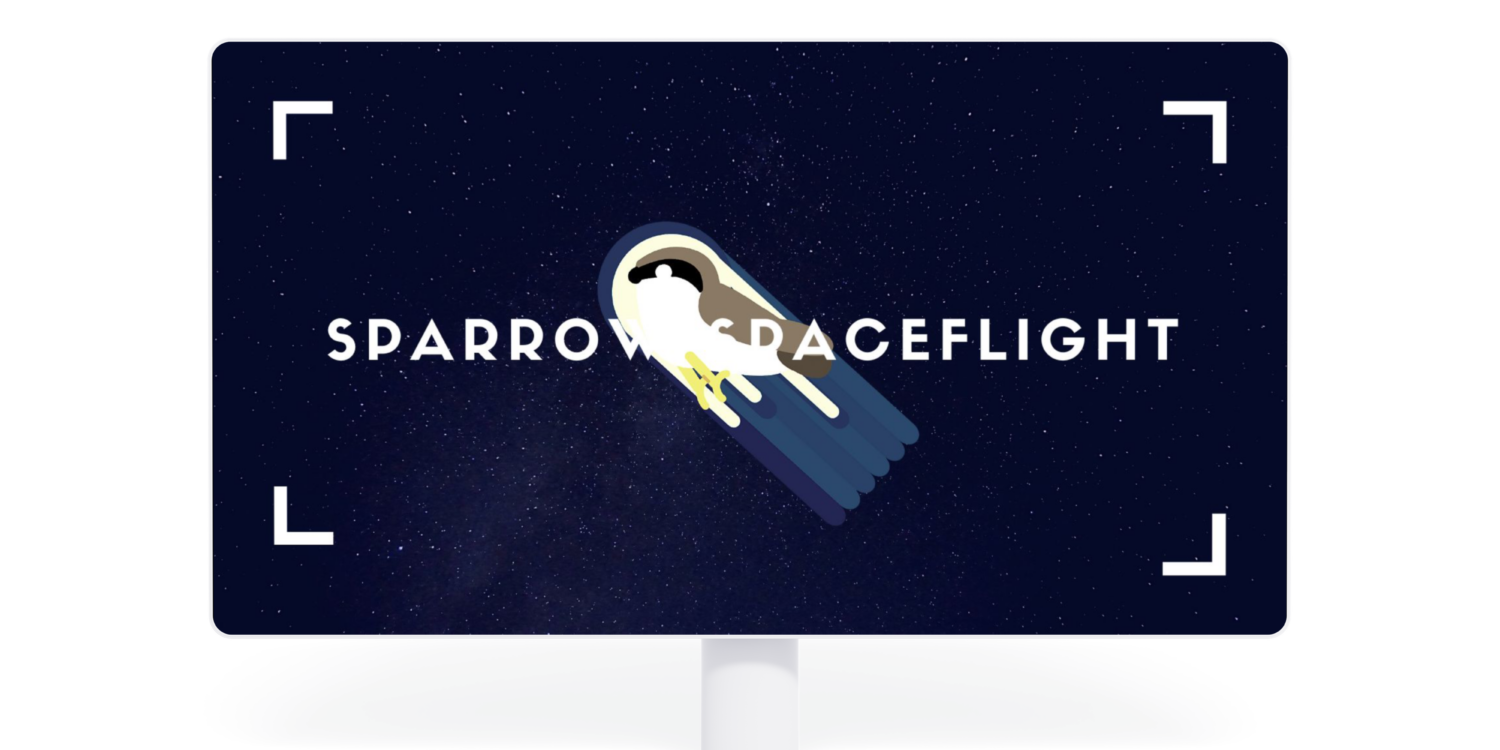
Project Overview: Sparrow I Space Shuttle
Introduction The “Sparrow I” project focuses on developing an energy-efficient space shuttle with a unique docking and undocking system. This shuttle is designed to be compact, reusable, and capable of performing a variety of experiments while connected to a space tether.
Concept and Inspiration Inspired by the “Skyhook” concept, the shuttle aims to dock with a rotating tether system that orbits the Earth. This method enhances the shuttle’s speed and efficiency, enabling it to travel longer distances in shorter times using less fuel. The project emphasizes sustainability and advanced aerodynamics.
Design and Functionality The shuttle’s docking system utilizes extendable electromagnets for secure attachment to the tether. It features a designated area for solar panels, promoting the use of renewable energy. The technical drawings include detailed front, back, side, top, and bottom views, along with material specifications to ensure durability and efficiency.
Methodology The project involves extensive research, technical drawing using Vectorworks, and iterative design refinements. The approach includes both theoretical and practical aspects, ensuring that the shuttle meets energy efficiency and functionality requirements.
Results and Future Development The shuttle’s design successfully integrates with the tether system, allowing for reliable docking and undocking. Future improvements focus on optimizing aerodynamics, enhancing interior design for better control, and further developing the tether system. The project paves the way for a sustainable and efficient space exploration infrastructure.
Conclusion The “Sparrow I” project demonstrates the potential of small, energy-efficient shuttles in advancing space exploration. The successful implementation of the docking system with the space tether highlights the feasibility of using such systems for interplanetary travel and resource utilization, marking a significant step towards sustainable space travel.